
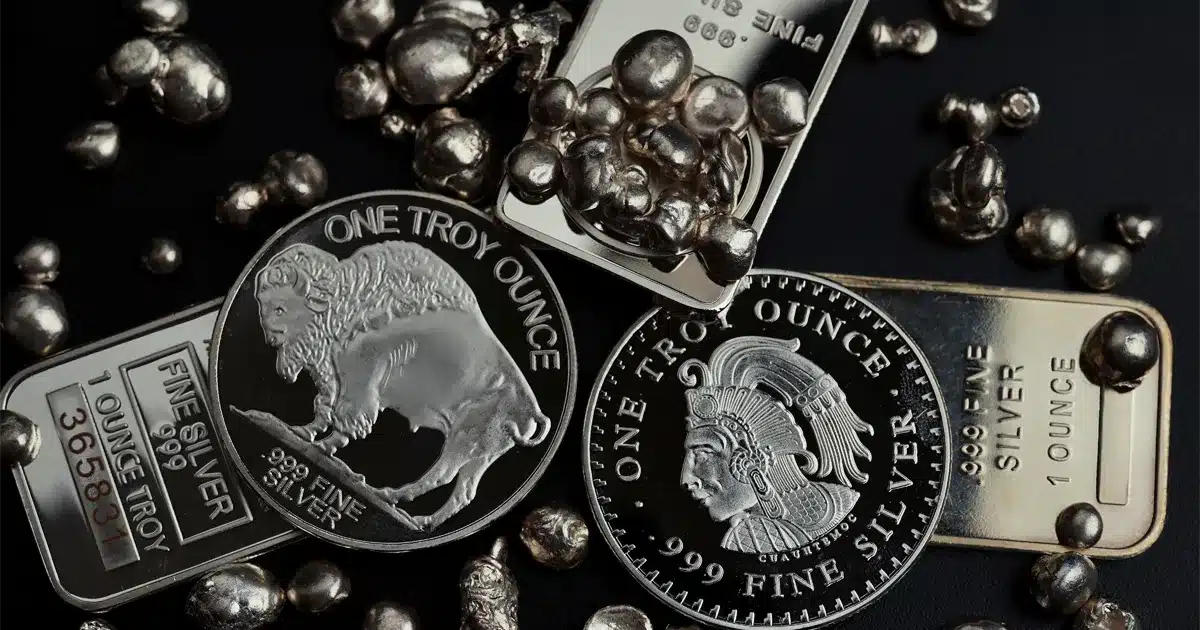
Wondering what affects the price of silver before you buy, sell, or invest? There are several factors that can make silver’s value swing quickly, and understanding them helps you time your moves. Maybe you’ve watched the price jump on the evening news and thought, “What’s really causing that?” For coin collectors and investors in South Florida, knowing these drivers isn’t just a curiosity, it’s the difference between a good deal and a missed opportunity.
Let’s break down what pushes silver prices up or down, from everyday supply and demand to shifting global trends.
Role of Supply and Demand
Basic supply and demand is the beating heart of silver prices. When mine production or recycled silver can’t keep up with buyers, be it jewelers, tech manufacturers, or investors, the price almost always heads upward. Shortages from mining strikes or delays can spook the market, sparking a rush to buy and causing prices to spike.
On the other hand, if demand slows down yet mines continue producing, prices can dip just as suddenly. Sometimes new technology triggers fresh demand faster than mines can respond. A tight balance exists, and even small disruptions or upticks mean big changes in price. As a collector or investor, watching supply headlines or rising interest from industries can help you anticipate moves before the crowd.
Industrial and Technological Uses of Silver
Silver powers everything from solar energy to cutting-edge electronics, accounting for about half its demand worldwide. As solar panels, EV batteries, and medical devices expand into daily life, industrial hunger for silver only rises. When a new tech trend pops up, think smartphones or electric cars, production lines tap into silver’s unmatched conductivity and antimicrobial properties.
This isn’t just background noise. Industrial surges often outpace mining, creating supply crunches. When you see headlines about renewable energy projects or new chips, odds are the ripple effect will eventually strike silver’s price tag. If you invest in silver or collect coins, paying attention to technology news lets you spot the next supply-driven spike.
Impact of Economic and Political Factors
Currency movements and government policies pack a serious punch on silver values. A strong US dollar makes silver costlier abroad, slowing global demand and pulling prices lower. Flip that around, and a weaker dollar usually gives silver a bump because it’s more attractive to international buyers and acts as a hedge against inflation.
Add in shifting interest rates, which affect how attractive it is to hold silver versus, say, cash or bonds. When rates drop, silver shines brighter as a safe choice. Political twists, such as mining regulations or trade disputes, add an extra layer of uncertainty, sometimes limiting supply and stoking wild price swings. Staying alert to these changes helps you make smarter decisions on when to buy or sell.
The Influence of Investment Demand
Investor mood can send the silver market on a rollercoaster. During times of uncertainty, think economic downturns or market shocks, people often flock to hard assets like bars, coins, or ETFs that track silver. Since silver’s market isn’t as large as gold’s, these moves make the price swing sharply when buyers rush in or retreat.
If you notice news about banking jitters, inflationary fears, or even rising social unrest, expect silver investment demand to surge. More buyers mean higher prices, and sometimes these crowds can create bubbles that come back down just as fast. That’s why watching market sentiment gives you an edge in timing your silver buys and sells.
How Global Events Affect Silver Prices
World events pack a powerful punch. Geopolitical shocks, like changes in oil supply, regional conflicts, or even pandemics, create uncertainty, often sending investors toward safe havens. Silver gets swept up alongside gold in these times, bringing quick, sometimes dramatic changes in price. COVID-19, for example, disrupted mining supply chains and sent shockwaves through demand, pushing prices higher amid anxiety. Keep an eye on the headlines: global surprises almost always lead to price action in precious metals.
Relationship Between Silver and Other Precious Metals
Silver doesn’t move in isolation. It tends to shadow gold, often tracking the famous gold-silver ratio (GSR). When that ratio gets low, it may mean silver is undervalued, drawing in buyers who expect a price rebound. Gold typically leads in both bull and bear runs, setting the pace for silver’s own moves.
But gold isn’t the only link. Silver also moves with the price swings of copper and, at times, the broader commodities market. During economic booms or busts, silver’s price reflects both its role as an investment asset and its importance to major industries. Savvy investors watch the whole family of metals, not just silver alone, to catch timing cues.
Conclusion: What Affects the Price of Silver?
So, what affects the price of silver? Just about everything you read in the headlines. Supply and demand, tech progress, global tensions, and even your neighbor’s investment choices shape the market. Spotting these drivers early is where profit lies, especially if you’re a collector or investor in South Florida.
Curious about the current price of your silver coins, bars, or jewelry? Our experts provide free, no-pressure appraisals, bring in your items or reach out for insights into how today’s trends might affect your collection or investment.
![[Most Recent Quotes from www.kitco.com]](http://www.kitconet.com/images/sp_en_8.gif)