
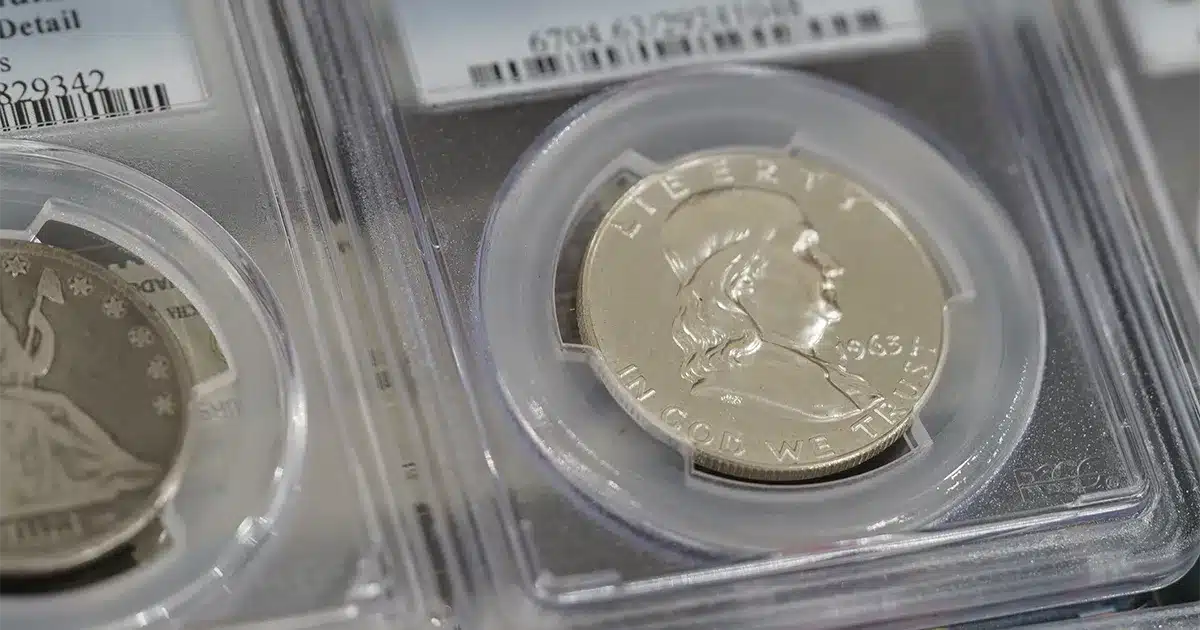
What Is Coin Grading?
Coin grading is a professional process where trained experts examine your coins under magnification. They’re looking for everything, wear, mint luster, surface marks, and even authentic features unique to each series. After their evaluation, they assign a numerical grade reflecting the coin’s preservation, then seal it in a clear holder as evidence of its authenticity and condition. Thanks to this process, collectors and dealers everywhere can communicate about coin quality in a standardized way, reducing confusion and giving buyers confidence. The grade isn’t only about appearances, it creates a shared language for the hobby.
Where Can I Get My Coins Graded?
If you’re ready to send your coins for grading, two major names stand out: PCGS and NGC. Each uses a multi-step protocol, your coins first pass authentication checks, then move through hands of multiple experts before reaching a consensus grade. PCGS is known for its stricter standards and extensive population reports, making it popular among those seeking top-dollar sales. NGC often appeals to collectors who prefer a less rigid approach and more recognition of coin varieties. Both offer slabbed holders and online resources so you can verify your coin’s details after it comes back.
Does Grading My Coins Increase Their Value?
Having your coins graded can raise their market value, but results are not guaranteed. In some cases, a higher grade can mean a dramatic price jump, a rare dime worth a few hundred dollars in a lower grade might fetch thousands if it grades a bit higher. The challenge is predicting how your coin will score before sending it in. Misreading tiny scratches or wear may mean you expect one grade but receive another, with a big difference in resale value.
Advantages of Coin Grading
- Authenticity: Grading companies act as your security layer against fakes. Every coin is checked, so buyers trust what you have.
- Standardized Prices: With official grades, buyers and sellers can agree on values. This prevents arguments and misunderstandings.
- Better Selling Price: Coins that receive high marks often sell for more on sites, auctions, and to dealers.
- Protection: Coins come back in plastic cases, protecting them from knocks, fingerprints, and environmental damage.
- Faster Selling: A graded coin is usually easier to sell because buyers know exactly what they’re getting.
Disadvantages of Coin Grading
- Cost: The fee for grading isn’t small, often $30 to $300 or more per coin. For common coins, this cost can wipe out your profit.
- Fewer Buyers: Not all collectors want graded coins: some love handling coins or don’t believe in grading systems, so the pool of buyers shrinks.
- Grade Surprises: Even honest experts can disagree on minor details. You could expect a high grade and receive a disappointment instead.
- Wait Times: Waiting up to two months for results may test your patience, especially if you want a quick sale.
Should I Grade My Coins?
You should consider grading your coins if you own rare dates, well-preserved examples, or pieces likely worth over $500. Grading works best for valuable coins, rare varieties, or ones you suspect could be counterfeited, as the service provides certainty and trust. On the other hand, avoid submitting low-grade, common, or damaged coins. The grading expense probably won’t be recouped. If you’re still unsure, send in just one or two pieces that seem promising, this small test can show you if the grading game pays off for your collection.
![[Most Recent Quotes from www.kitco.com]](http://www.kitconet.com/images/sp_en_8.gif)